
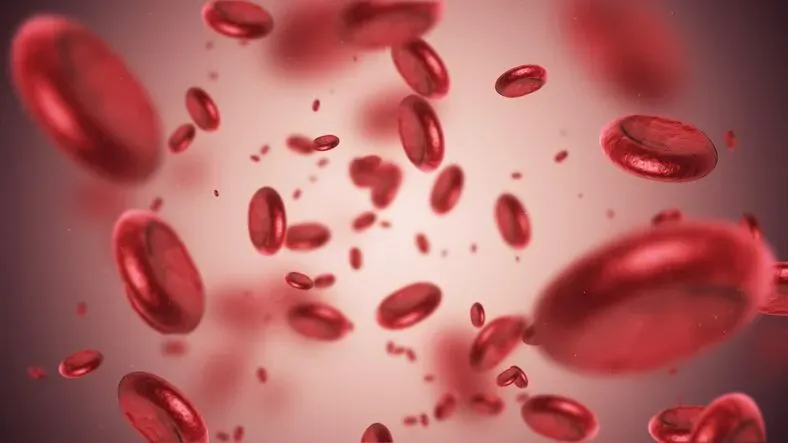
Anemia is a widespread blood disorder characterized by a decrease in red blood cells or hemoglobin, reducing the blood’s ability to carry oxygen to the body’s tissues. This condition can lead to fatigue, weakness, and other health complications if left untreated. Understanding the different types of anemia and their causes is essential for effective management. This article provides a comprehensive guide on Anemia Dubai, including its common types, causes, and preventive measures.
Understanding Anemia
Anemia occurs when your body does not have enough healthy red blood cells or hemoglobin to carry oxygen efficiently. The condition can be temporary or long-term and ranges from mild to severe depending on the underlying cause.
Importance of Early Detection
- Prevents severe fatigue and weakness
- Reduces the risk of complications such as heart problems
- Enables timely treatment for improved overall health
Common Types of Anemia
Anemia can be classified based on its underlying cause. Identifying the type of anemia is crucial for targeted treatment.
Iron-Deficiency Anemia
Iron-deficiency anemia is the most common type, caused by insufficient iron levels needed to produce hemoglobin.
Causes
- Inadequate dietary iron intake
- Blood loss due to menstruation or internal bleeding
- Pregnancy or increased iron demand
Symptoms
- Fatigue and weakness
- Pale skin
- Shortness of breath
- Dizziness
Vitamin-Deficiency Anemia
This type of anemia results from a lack of essential vitamins required for red blood cell production.
Common Deficiencies
- Vitamin B12 deficiency leading to pernicious anemia
- Folate (Vitamin B9) deficiency
Causes
- Poor diet lacking in vitamin-rich foods
- Malabsorption disorders such as celiac disease or Crohn’s disease
- Certain medications that interfere with vitamin absorption
Hemolytic Anemia
Hemolytic anemia occurs when red blood cells are destroyed faster than the body can produce them.
Causes
- Autoimmune disorders
- Infections
- Certain medications and toxins
- Inherited conditions such as sickle cell disease
Symptoms
- Dark urine
- Jaundice (yellowing of the skin and eyes)
- Fatigue and rapid heart rate
Aplastic Anemia
A rare but serious condition in which the bone marrow fails to produce enough red blood cells.
Causes
- Exposure to chemicals or radiation
- Certain medications or viral infections
- Autoimmune disorders
Symptoms
- Fatigue
- Frequent infections due to low white blood cell count
- Easy bruising or bleeding
Anemia of Chronic Disease
This type occurs in individuals with chronic illnesses such as kidney disease, cancer, or rheumatoid arthritis.
Causes
- Chronic inflammation that affects red blood cell production
- Kidney disease reducing erythropoietin production
- Long-term infections or chronic medical conditions
Symptoms
- Mild to moderate fatigue
- Weakness
- Decreased exercise tolerance
Risk Factors for Anemia
Nutritional Deficiencies
Lack of iron, vitamin B12, or folate can increase the risk of anemia.
Chronic Illnesses
Diseases affecting blood production, absorption of nutrients, or causing chronic inflammation may lead to anemia.
Pregnancy
Pregnancy increases the body’s demand for iron and vitamins, making women more susceptible.
Genetic Factors
Inherited disorders like sickle cell anemia or thalassemia increase the likelihood of developing anemia.
Diagnosis of Anemia
Blood Tests
- Complete blood count (CBC) to measure red blood cell levels
- Hemoglobin and hematocrit levels
- Iron, vitamin B12, and folate levels
Additional Tests
- Bone marrow examination in rare cases
- Tests for hemolysis to detect red blood cell destruction
- Screening for chronic diseases contributing to anemia
Treatment Options for Anemia
Iron-Deficiency Anemia
- Iron supplements prescribed by a doctor
- Dietary adjustments including iron-rich foods like red meat, leafy greens, and legumes
Vitamin-Deficiency Anemia
- Vitamin B12 injections or oral supplements
- Folate supplementation
- Diet rich in vitamin B12 (meat, eggs, dairy) and folate (leafy greens, beans)
Hemolytic and Aplastic Anemia
- Medications to suppress the immune system in autoimmune cases
- Blood transfusions for severe anemia
- Bone marrow transplant in rare or severe cases
Anemia of Chronic Disease
- Treating the underlying condition
- Medications to stimulate red blood cell production
- Nutritional support
Why Seek Anemia Care in Dubai
Advanced Diagnostic Facilities
Dubai offers state-of-the-art laboratories and hospitals equipped to accurately diagnose different types of anemia.
Experienced Hematologists
Patients seeking Anemia Dubai benefit from specialists with expertise in managing blood disorders and chronic conditions.
Comprehensive Treatment Plans
Healthcare providers in Dubai provide personalized treatment strategies, including dietary counseling, medications, and ongoing monitoring.
FAQs
What are the common symptoms of anemia?
Common symptoms include fatigue, weakness, pale skin, shortness of breath, dizziness, and rapid heartbeat.
Can anemia be prevented?
Yes, anemia can be prevented through a balanced diet rich in iron, vitamin B12, and folate, as well as managing underlying chronic conditions.
How is anemia diagnosed?
Diagnosis involves blood tests such as a complete blood count, hemoglobin levels, and additional tests for iron, vitamin B12, and folate levels.
Who is at higher risk of anemia?
Pregnant women, individuals with chronic illnesses, older adults, and those with poor nutrition or genetic blood disorders are at higher risk.
Why is Anemia Dubai a popular search term?
Dubai provides advanced healthcare facilities, skilled hematologists, and comprehensive anemia management programs, making it a trusted destination for diagnosis and treatment.
Conclusion
Anemia is a common blood disorder with various types and causes, ranging from nutritional deficiencies to chronic diseases. Early diagnosis and targeted treatment are essential to prevent complications and maintain overall health. With advanced medical facilities, experienced specialists, and personalized care, Anemia Dubai offers reliable options for accurate diagnosis, effective treatment, and long-term management of anemia.