
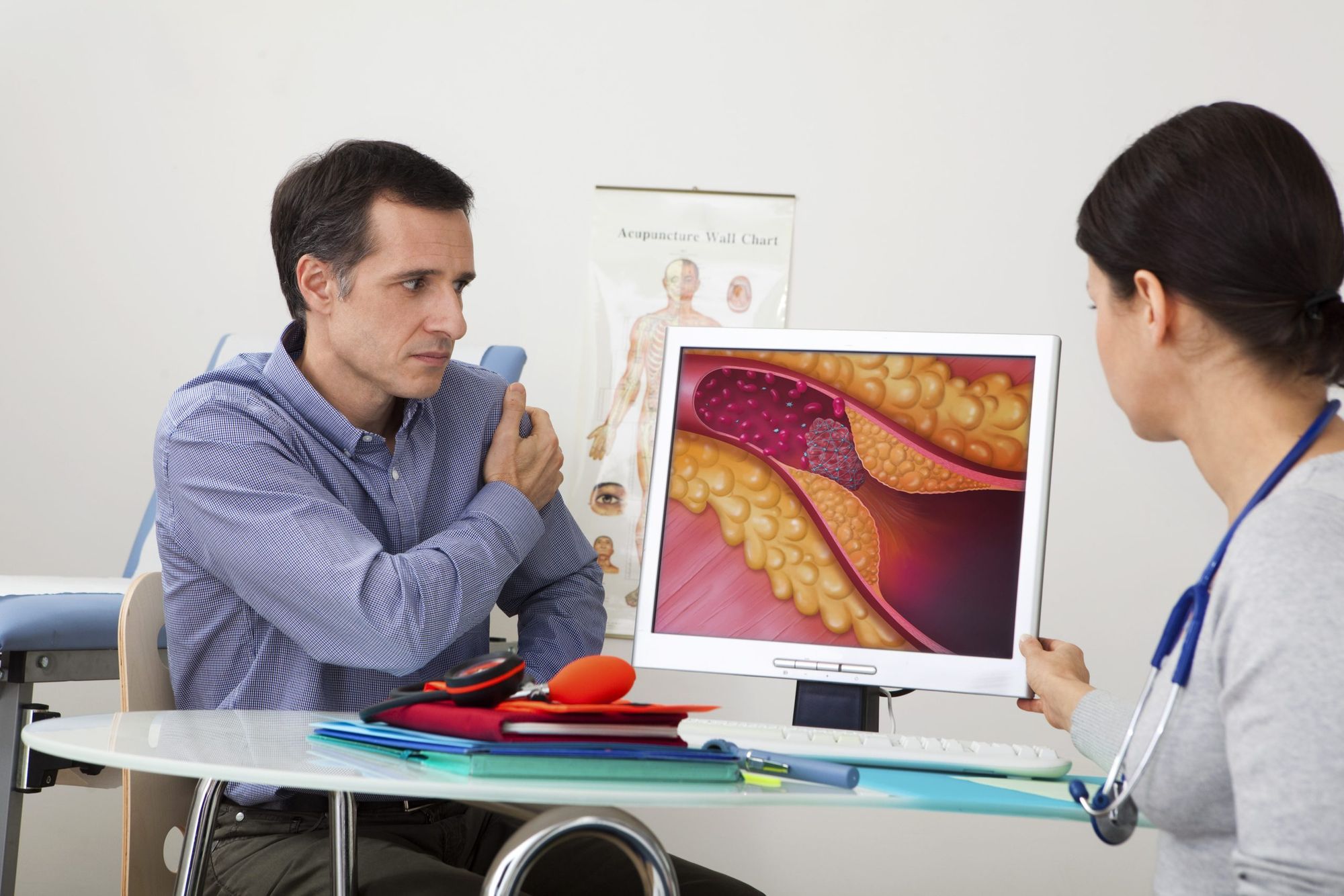
High cholesterol is one of the most common health concerns affecting adults around the world, and it is increasingly being diagnosed in Dubai due to modern lifestyles, unhealthy eating habits, lack of physical activity, and stress. While cholesterol is essential for the body to function properly, excessive levels can silently increase the risk of heart disease, stroke, and other serious complications.
What is High Cholesterolemia?
High cholesterolemia Dubai refers to elevated levels of cholesterol in the blood. Cholesterol is a fatty substance necessary for building cells and producing certain hormones, but too much can lead to plaque buildup in arteries, restricting blood flow and causing cardiovascular problems.
Types of Cholesterol
- LDL (Low-Density Lipoprotein): Often called "bad cholesterol," high LDL levels can lead to plaque buildup in arteries.
- HDL (High-Density Lipoprotein): Known as "good cholesterol," HDL helps remove LDL from the bloodstream.
- Triglycerides: Another type of fat in the blood, high levels increase the risk of heart disease.
Causes of High Cholesterolemia
Several factors contribute to high cholesterol levels, including:
- Unhealthy Diet: Consuming foods rich in saturated fats, trans fats, and cholesterol, such as fried foods, processed meats, and sugary snacks.
- Lack of Physical Activity: Sedentary lifestyle contributes to weight gain and poor cholesterol balance.
- Obesity: Excess weight increases LDL and triglyceride levels.
- Age and Gender: Cholesterol levels rise with age; men are generally at higher risk earlier than women.
- Genetics: Familial hypercholesterolemia can cause high cholesterol regardless of lifestyle.
- Other Medical Conditions: Diabetes, hypothyroidism, and kidney disease can affect cholesterol levels.
Symptoms of High Cholesterol
High cholesterol usually shows no symptoms, which is why it is often called a "silent killer." Some potential warning signs include:
- Chest pain or angina
- Shortness of breath
- Fatty deposits under the skin (xanthomas)
- Heart attack or stroke in severe cases
Regular screening is the only way to detect high cholesterol early.
Diagnosis
Doctors in Dubai often recommend a lipid profile test to measure cholesterol levels, including LDL, HDL, total cholesterol, and triglycerides. Blood samples are analyzed, and based on results, treatment and lifestyle changes are suggested.
Treatment Options
Lifestyle Changes
- Healthy Diet: Focus on fruits, vegetables, whole grains, lean proteins, and healthy fats.
- Regular Exercise: At least 30 minutes of moderate exercise most days.
- Weight Management: Achieve and maintain a healthy weight to balance cholesterol.
- Quit Smoking: Smoking lowers HDL and damages blood vessels.
- Limit Alcohol: Excess alcohol increases triglycerides and liver strain.
Medications
- Statins: Lower LDL cholesterol effectively.
- Bile Acid Sequestrants: Help remove cholesterol from the body.
- Cholesterol Absorption Inhibitors: Reduce cholesterol absorption in the intestines.
- PCSK9 Inhibitors: For patients with familial hypercholesterolemia or those resistant to statins.
Regular Monitoring
Regular follow-ups and blood tests are essential to track cholesterol levels and ensure treatment efficacy.
Prevention
Preventive measures are crucial to avoid complications from high cholesterol:
- Adopt a heart-healthy diet
- Exercise regularly
- Avoid smoking and excessive alcohol
- Maintain a healthy weight
- Monitor cholesterol levels periodically
Conclusion
High cholesterolemia Dubai is a serious health concern that can silently increase the risk of heart disease and stroke. Early detection through regular screening, combined with a balanced diet, active lifestyle, and appropriate medication, can effectively manage cholesterol levels. Taking proactive steps today can prevent long-term health complications and improve overall well-being.
FAQs
Q1: How is high cholesterol detected? A1: High cholesterol is detected through a blood test called a lipid profile, which measures LDL, HDL, total cholesterol, and triglycerides.
Q2: Can high cholesterol cause symptoms? A2: High cholesterol usually has no symptoms until it leads to serious heart problems. Some may develop chest pain or fatty deposits under the skin.
Q3: Is diet alone enough to manage high cholesterol? A3: Lifestyle changes like diet and exercise can significantly improve cholesterol levels, but some patients may require medication, especially with genetic predisposition.
Q4: Are children at risk for high cholesterol? A4: Yes, familial hypercholesterolemia can cause high cholesterol in children, so early screening is important if there is a family history.
Q5: Can high cholesterol be reversed? A5: With proper lifestyle changes, regular exercise, and, if necessary, medication, cholesterol levels can be managed effectively and health risks reduced.