
High cholesterol is one of the most common lifestyle-related health concerns in modern urban societies, and Dubai is no exception. With its fast-paced lifestyle, diverse food culture, and increasing reliance on processed and restaurant-based meals, more residents are being diagnosed with lipid disorders than ever before. Understanding how diet influences this condition is essential for prevention and long-term heart health.
In this blog, we will explore how dietary habits impact cholesterol levels, what changes can help improve health outcomes, and why medical guidance is important in managing the condition effectively. We will also discuss High cholesterolemia Dubai in detail, along with expert insights often shared by specialists such as Dr. Barbara.
Understanding High Cholesterolemia
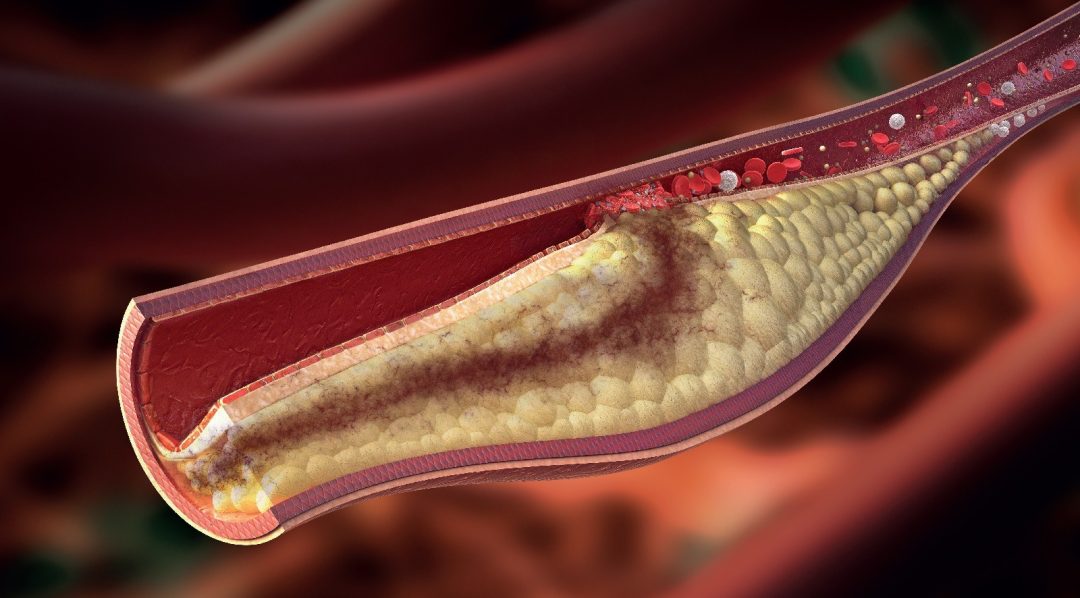
High cholesterolemia refers to elevated levels of cholesterol in the blood, particularly low-density lipoprotein (LDL), often called “bad cholesterol.” When LDL levels rise, fatty deposits can build up in the arteries, increasing the risk of cardiovascular diseases such as heart attacks and strokes.
Cholesterol itself is not entirely harmful. The body needs it to build cells and produce hormones. However, imbalance—especially when LDL is high and HDL (good cholesterol) is low—creates serious health risks.
In cities like Dubai, where rich cuisines, international fast food chains, and high-calorie diets are widely available, cases of cholesterol imbalance are becoming more common.
The Role of Diet in Cholesterol Levels
Diet is one of the most significant factors influencing cholesterol levels. What you eat directly affects how your body produces and processes fats.
1. Saturated Fats and Trans Fats
Foods high in saturated fats and trans fats are the biggest dietary contributors to high cholesterol. These include:
- Fried foods
- Fast food meals
- Butter and margarine
- Processed snacks
- Commercial baked goods
When consumed regularly, these fats increase LDL cholesterol levels and reduce HDL cholesterol, creating an unhealthy balance.
In Dubai’s fast-moving lifestyle, frequent dining out or ordering takeaway meals can significantly increase intake of these harmful fats.
2. Refined Carbohydrates and Sugars
Many people underestimate the impact of sugar and refined carbs on cholesterol. Foods such as white bread, pastries, sugary beverages, and desserts can increase triglycerides, which indirectly contribute to heart disease risk.
Excess sugar consumption also leads to weight gain, which is strongly associated with poor cholesterol profiles.
3. Fiber-Rich Foods and Their Protective Effect
Dietary fiber plays a powerful role in reducing cholesterol. Soluble fiber binds to cholesterol in the digestive system and helps remove it from the body.
Healthy sources include:
- Oats
- Lentils
- Beans
- Fruits like apples and pears
- Vegetables such as carrots and broccoli
Increasing fiber intake is one of the simplest yet most effective dietary changes for managing cholesterol.
4. Healthy Fats
Not all fats are harmful. Unsaturated fats help improve cholesterol levels by increasing HDL and lowering LDL.
Good sources include:
- Olive oil
- Avocados
- Nuts and seeds
- Fatty fish like salmon and sardines
Replacing unhealthy fats with these healthier alternatives can significantly improve heart health.
High Cholesterolemia in Dubai: Lifestyle and Dietary Patterns
The prevalence of High cholesterolemia Dubai is influenced not only by genetics but also by lifestyle choices common in urban environments. Dubai’s diverse culinary landscape offers both healthy and unhealthy food options, but convenience often leads people toward calorie-dense meals.
Common contributing factors include:
- High consumption of fast food and international cuisines rich in fats
- Sedentary office-based work routines
- Limited physical activity due to climate or schedule
- High intake of sugary beverages and desserts
- Social dining culture involving frequent eating out
Over time, these habits create a cumulative effect on cholesterol levels.
Medical Perspective: Insights from Dr. Barbara
According to many healthcare professionals, including specialists like Dr. Barbara, diet remains the first line of defense in managing cholesterol levels. While medication may be necessary in some cases, lifestyle changes are always recommended as the foundation of treatment.
Doctors often emphasize:
- Early screening for cholesterol levels
- Personalized dietary plans
- Regular exercise routines
- Weight management strategies
- Reducing processed food intake
Medical guidance ensures that patients understand the seriousness of the condition and take appropriate action before complications arise.
Effective Dietary Strategies to Lower Cholesterol
Improving cholesterol levels does not require extreme dieting. Instead, small consistent changes can lead to long-term benefits.
1. Adopt a Heart-Healthy Eating Pattern
A balanced diet should include:
- Whole grains
- Fresh vegetables and fruits
- Lean proteins
- Healthy fats
Avoiding processed and fried foods is crucial.
2. Reduce Red Meat Consumption
Red meat contains higher levels of saturated fat. Replacing it with fish, chicken, or plant-based proteins can significantly improve cholesterol levels.
3. Choose Cooking Methods Wisely
Grilling, steaming, and baking are healthier options compared to frying. Cooking at home also allows better control over ingredients and fat content.
4. Increase Physical Activity Alongside Diet
Although this blog focuses on diet, exercise complements dietary efforts. Activities like walking, swimming, or cycling help improve HDL cholesterol and overall heart health.
5. Stay Hydrated and Avoid Sugary Drinks
Water should be the primary beverage. Sugary sodas and energy drinks contribute to weight gain and lipid imbalance.
The Importance of Consistency
One of the biggest challenges in managing cholesterol is consistency. A healthy meal plan followed for a few days is not enough. Long-term dietary discipline is necessary to maintain stable cholesterol levels and prevent recurrence.
People in busy cities like Dubai often struggle with consistency due to work pressure and social lifestyles. However, gradual lifestyle adjustments can make a lasting difference.
Preventive Role of Diet in Cardiovascular Health
Diet does not just manage cholesterol—it actively prevents serious diseases. A heart-healthy diet reduces the risk of:
- Heart attacks
- Stroke
- Atherosclerosis
- Hypertension
By controlling cholesterol early through diet, individuals significantly improve their long-term health outcomes.
Conclusion
High cholesterol is a manageable condition when addressed early with the right dietary and lifestyle changes. In a fast-paced environment like Dubai, where dietary habits often lean toward convenience and processed foods, awareness becomes even more important.
The key takeaway is that food choices directly influence cholesterol levels. Reducing unhealthy fats, increasing fiber intake, and adopting a balanced diet can dramatically improve heart health.
Understanding High cholesterolemia Dubai is essential for prevention and control, and expert guidance from professionals such as Dr. Barbara highlights the importance of early intervention and consistent lifestyle modification.
Ultimately, diet is not just about weight management—it is about protecting your heart, improving your quality of life, and preventing long-term complications.
FAQs
1. What is the main cause of high cholesterol in Dubai?
The main causes include unhealthy diets high in saturated fats, lack of exercise, and frequent consumption of processed and fast foods.
2. Can diet alone control high cholesterolemia?
In many mild to moderate cases, diet can significantly improve cholesterol levels. However, severe cases may require medication along with dietary changes.
3. What foods should I avoid if I have high cholesterol?
You should avoid fried foods, processed snacks, fatty meats, butter, and sugary beverages.
4. How long does it take to reduce cholesterol through diet?
Visible improvements can be seen within 4 to 12 weeks of consistent dietary changes.
5. Are eggs bad for cholesterol?
Eggs contain cholesterol but are not as harmful as once believed. Moderate consumption is generally safe for most people.
6. What is the best diet for lowering cholesterol?
A diet rich in fruits, vegetables, whole grains, lean proteins, and healthy fats like olive oil is considered best.
7. Do I need a doctor for high cholesterol management?
Yes, consulting a healthcare professional such as Dr. Barbara ensures proper diagnosis, monitoring, and personalized treatment planning