
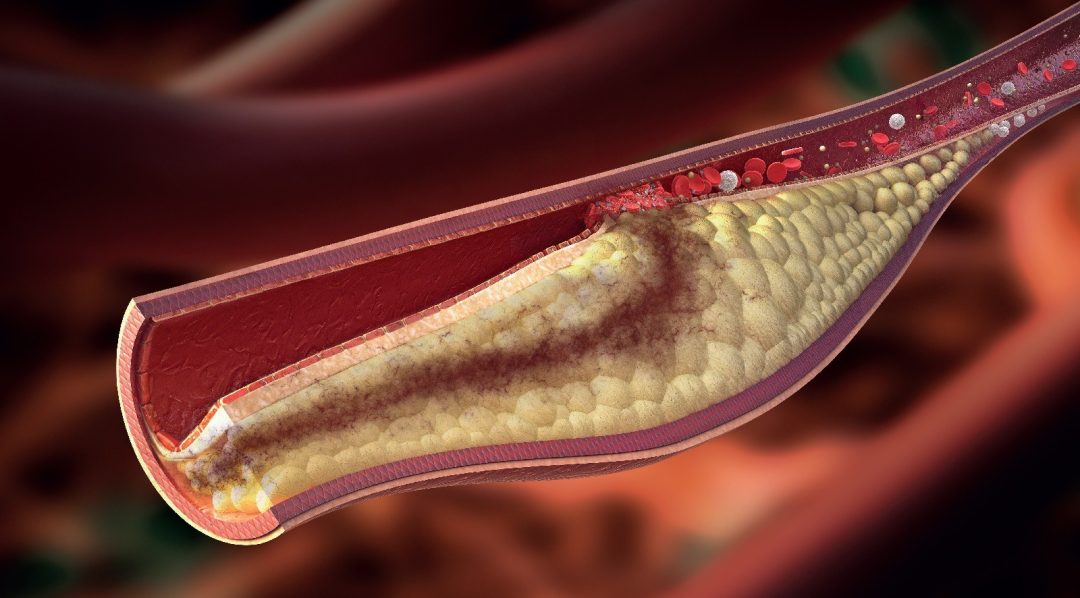
High cholesterol, medically referred to as hypercholesterolemia, is a growing health concern worldwide—and Dubai is no exception. With modern lifestyles, dietary habits, and increased stress levels, many individuals are at risk without even realizing it. Understanding when to seek medical attention is crucial to preventing serious complications such as heart disease and stroke. In this comprehensive guide, we’ll explore the signs, risk factors, and the right time to consult a doctor for High cholesterolemia Dubai, along with expert insights from Dr. Barbara.
Understanding High Cholesterolemia
Cholesterol is a fatty substance found in your blood. While your body needs it to build healthy cells, excessive levels can lead to fatty deposits in your blood vessels. Over time, these deposits grow and can restrict blood flow, increasing the risk of cardiovascular diseases.
There are two main types of cholesterol:
- Low-Density Lipoprotein (LDL) – Often called “bad cholesterol”
- High-Density Lipoprotein (HDL) – Known as “good cholesterol”
When LDL levels are high or HDL levels are low, it creates an imbalance that can be harmful to your health.
Why High Cholesterolemia is a Concern in Dubai
Dubai’s fast-paced lifestyle, combined with a diet rich in processed foods and limited physical activity, contributes significantly to rising cholesterol levels. Additionally, long working hours and reliance on convenience foods make it harder for individuals to maintain a balanced lifestyle.
Many people with High cholesterolemia Dubai remain undiagnosed because the condition often shows no obvious symptoms until it becomes severe. This makes regular health screenings and timely medical consultations even more important.
Common Risk Factors
You may be at higher risk of developing high cholesterol if you have:
- A diet high in saturated and trans fats
- Lack of regular physical activity
- Obesity or being overweight
- Smoking habits
- Diabetes or hypertension
- A family history of high cholesterol
- Age (risk increases as you get older)
Recognizing these risk factors early can help you take preventive measures and seek medical advice before complications arise.
Signs That Indicate You Should See a Doctor
High cholesterol is often called a “silent condition” because it rarely presents noticeable symptoms. However, there are certain warning signs and situations where consulting a doctor becomes essential.
1. Family History of Heart Disease
If your immediate family members have experienced heart disease or high cholesterol, you should consider early screening. Genetics play a significant role in cholesterol levels.
2. Unhealthy Lifestyle Habits
If your daily routine includes poor dietary choices, minimal exercise, or smoking, it’s wise to consult a doctor for a cholesterol check.
3. Being Overweight or Obese
Excess body weight is closely linked to higher LDL levels. A doctor can guide you with a personalized plan to manage your weight and cholesterol.
4. Existing Medical Conditions
Conditions like diabetes, high blood pressure, or metabolic syndrome significantly increase the risk of high cholesterol complications.
5. Age-Related Screening
Adults over the age of 40 should have regular cholesterol screenings, even if they feel healthy.
6. Experiencing Chest Pain or Discomfort
Although not always directly linked, chest pain may indicate blocked arteries caused by high cholesterol. Immediate medical attention is necessary.
7. Fatigue or Shortness of Breath
Reduced blood flow due to cholesterol buildup can lead to these symptoms, especially during physical activity.
When Immediate Medical Attention is Required
Certain situations require urgent consultation with a healthcare professional:
- Sudden chest pain or pressure
- Pain radiating to the arm, neck, or jaw
- Severe shortness of breath
- Sudden dizziness or fainting
These could be signs of a heart attack or severe cardiovascular issue linked to untreated cholesterol problems.
Importance of Early Diagnosis
Early diagnosis of High cholesterolemia Dubai can prevent serious complications. Routine blood tests, known as lipid profiles, measure your cholesterol levels and help doctors assess your risk.
According to Dr. Barbara, regular check-ups are essential even if you feel completely healthy. Preventive care is always more effective than treating advanced conditions.
How Doctors Diagnose High Cholesterolemia
A healthcare provider typically uses the following methods:
- Lipid Profile Test – Measures total cholesterol, LDL, HDL, and triglycerides
- Medical History Review – Evaluates family history and lifestyle habits
- Physical Examination – Checks for signs of cardiovascular issues
Based on the results, your doctor will determine whether lifestyle changes, medication, or further tests are required.
Treatment Options Available in Dubai
Dubai offers advanced healthcare facilities with a wide range of treatment options for managing high cholesterol.
Lifestyle Modifications
- Adopting a heart-healthy diet
- Regular physical activity
- Weight management
- Smoking cessation
Medications
Doctors may prescribe medications such as statins to help lower LDL levels and reduce the risk of heart disease.
Regular Monitoring
Continuous follow-ups are necessary to track progress and adjust treatment plans accordingly.
Preventive Measures You Can Take
Prevention is always better than cure. Here are some effective ways to maintain healthy cholesterol levels:
- Eat a balanced diet rich in fruits, vegetables, and whole grains
- Limit intake of saturated fats and processed foods
- Exercise regularly (at least 30 minutes a day)
- Maintain a healthy weight
- Avoid smoking and limit alcohol consumption
- Schedule regular health check-ups
By incorporating these habits, you can significantly reduce your risk of developing High cholesterolemia Dubai.
Role of Regular Health Check-Ups
Routine health screenings play a vital role in early detection. Many people assume they are healthy because they don’t experience symptoms, but cholesterol levels can only be confirmed through medical tests.
Dr. Barbara emphasizes the importance of annual check-ups, especially for individuals with risk factors. Early intervention can prevent life-threatening complications and improve overall quality of life.
Living with High Cholesterol
Being diagnosed with high cholesterol doesn’t mean your life has to change drastically. With proper guidance, treatment, and lifestyle adjustments, you can manage the condition effectively.
Consistency is key. Following your doctor’s recommendations and staying committed to healthy habits can help you lead a normal, active life.
Conclusion
High cholesterol is a silent but serious condition that requires timely attention. Knowing when to see a doctor can make a significant difference in preventing long-term health issues. Whether you have risk factors, an unhealthy lifestyle, or simply want to stay proactive, consulting a healthcare professional is always a wise decision.
If you suspect any signs or fall into a high-risk category, don’t delay seeking medical advice for High cholesterolemia Dubai. With expert care from professionals like Dr. Barbara, early diagnosis and proper management can help you maintain a healthy heart and a better quality of life.
FAQs
1. How often should I check my cholesterol levels?
It is recommended to check your cholesterol every 4–6 years for healthy adults. However, individuals with risk factors should get tested more frequently as advised by their doctor.
2. Can high cholesterol be reversed naturally?
Yes, lifestyle changes such as a healthy diet, regular exercise, and weight management can significantly improve cholesterol levels. However, some cases may require medication.
3. Is high cholesterol common in Dubai?
Yes, due to lifestyle factors such as diet and physical inactivity, High cholesterolemia Dubai is increasingly common among residents.
4. What foods should I avoid if I have high cholesterol?
Avoid foods high in saturated fats, trans fats, and processed sugars, such as fried foods, fast food, and baked goods.
5. When should I see a doctor immediately?
Seek immediate medical attention if you experience chest pain, shortness of breath, or symptoms that may indicate a heart problem.
6. Can young people have high cholesterol?
Yes, high cholesterol can affect individuals of all ages, especially if there is a genetic predisposition or unhealthy lifestyle habits.
7. Are medications always necessary for treatment?
Not always. Many people can manage their cholesterol through lifestyle changes, but medication may be required in moderate to severe cases.